SATOCONN Guest Seminar: Saving Biodiversity in a World on Fire – Towards Convivial Conservation
From 22 to 26 September 2025, the SATOCONN project held its General Meeting in Kyoto, bringing together approximately 20 project members from across Europe, Japan.
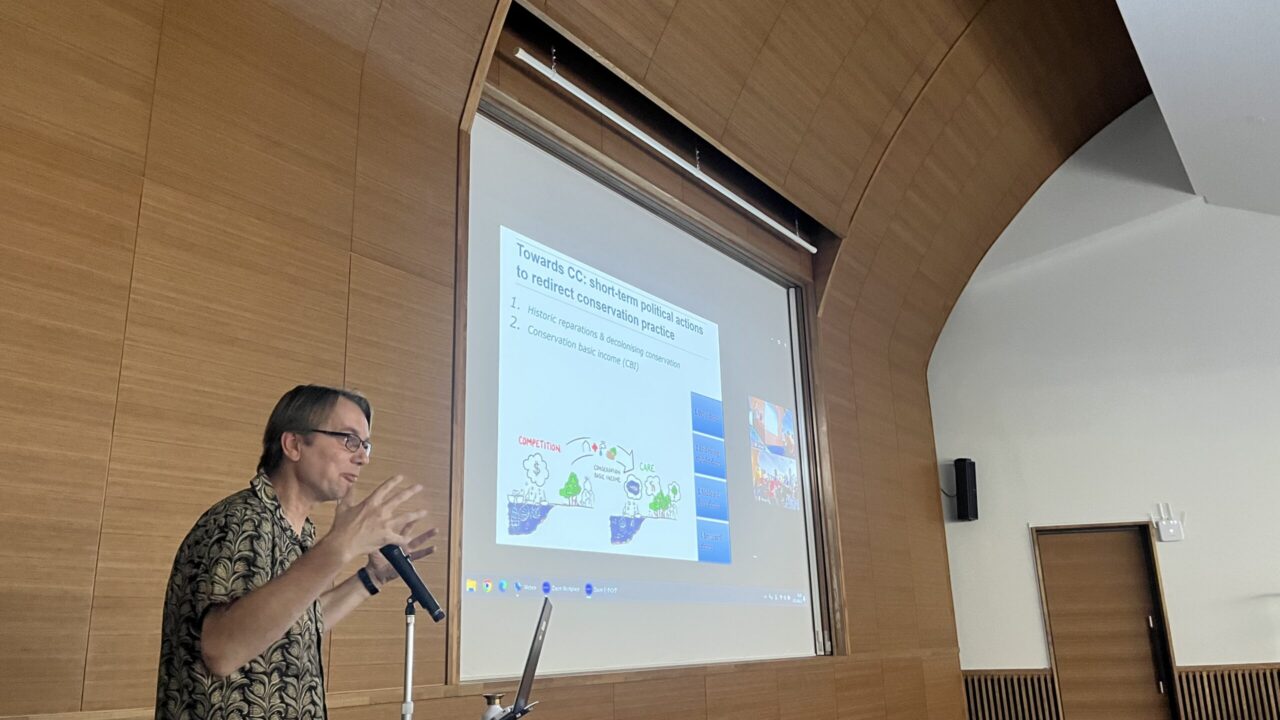
The first day of the General Meeting opened with a guest seminar entitled “Saving Biodiversity in a World on Fire: Towards Convivial Conservation.” For this occasion, Bram Büscher, Professor and Head of the Sociology of Development and Change Group at Wageningen University & Research (the Netherlands), was invited to give a lecture at RIHN.
The seminar was held in a hybrid format and was well attended by participants from both within and outside RIHN. Participants engaged closely with the vision of “convivial conservation,” a novel approach to biodiversity conservation, followed by a lively session of questions and discussion that reflected the strong interest of those in attendance.
Within the project discussions, the theoretical and practical affinities between SATOCONN’s approach and convivial conservation were also explored, and key points were shared regarding the potential for future collaboration.
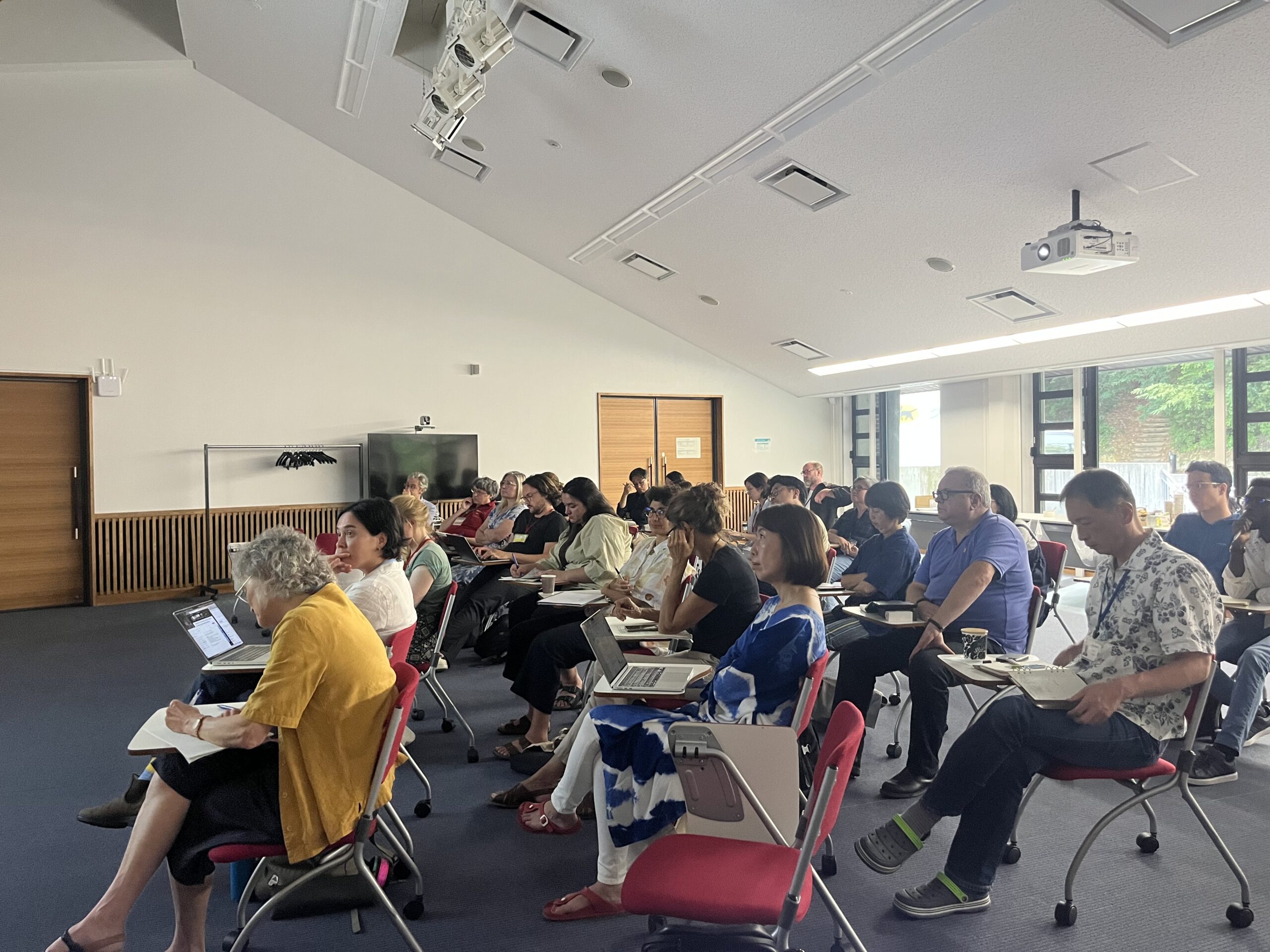
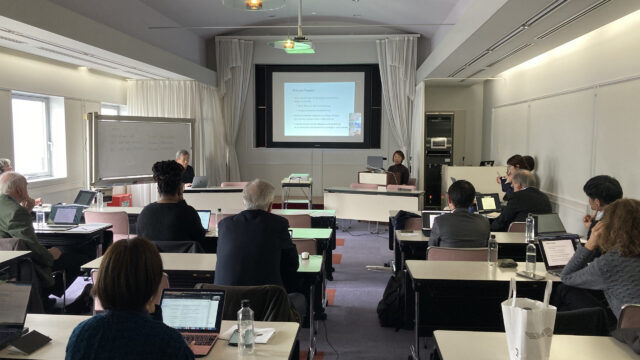
Participants listening to a lecture by Professor Bram Büscher
Abstract
When it comes the major environmental crises of our time, we seem to have moved into a new phase: we are no longer warned that they are coming; they are already here and are having major impacts on human and nonhuman life. As the warnings and discourses become stronger and more explicit, we see actors scrambling to come to terms with this new reality and asking how to move forward. With respect to the global biodiversity crisis, this is well reflected in the conservation community. Indeed, over the last years we have seen the rise of several radical proposals for reforming conservation and the heated debates around them. In this presentation, I will reflect on and evaluate these radical conservation proposals in relation to ‘mainstream’ conservation and argue that while they hold important seeds for radical change they are not sufficient. Building on these reflections, I develop and propose an alternative vision that we call ‘convivial conservation’. Convivial conservation starts from a political ecological position centred on a critique of contemporary capitalism and dichotomous ideas about (saving) nature. It builds on this to turn conservation into a force that promotes rather than protects, that celebrates rather than saves, and that is recognized as an important element of creating a more equal global society. The presentation posits ideas on how convivial conservation could be operationalized and asks questions on how this may be done in different contexts, including in Japan.