Portugal Annual Meeting 2026 : Project Discussions and a Field Trip to Sistelo
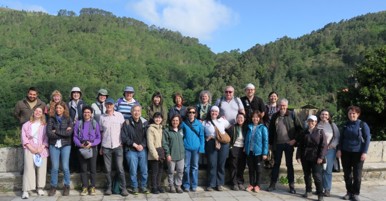
The SATOCONN Annual Meeting was held in Portugal over five days, from 4 to 8 May 2026, bringing together nearly 30 project members from five countries. This was the third occasion on which project members had gathered in person, following the Kick-off Meeting in Dartmoor, UK, in autumn 2024 and the Kyoto Meeting in autumn 2025.
Project Discussions at CIBIO
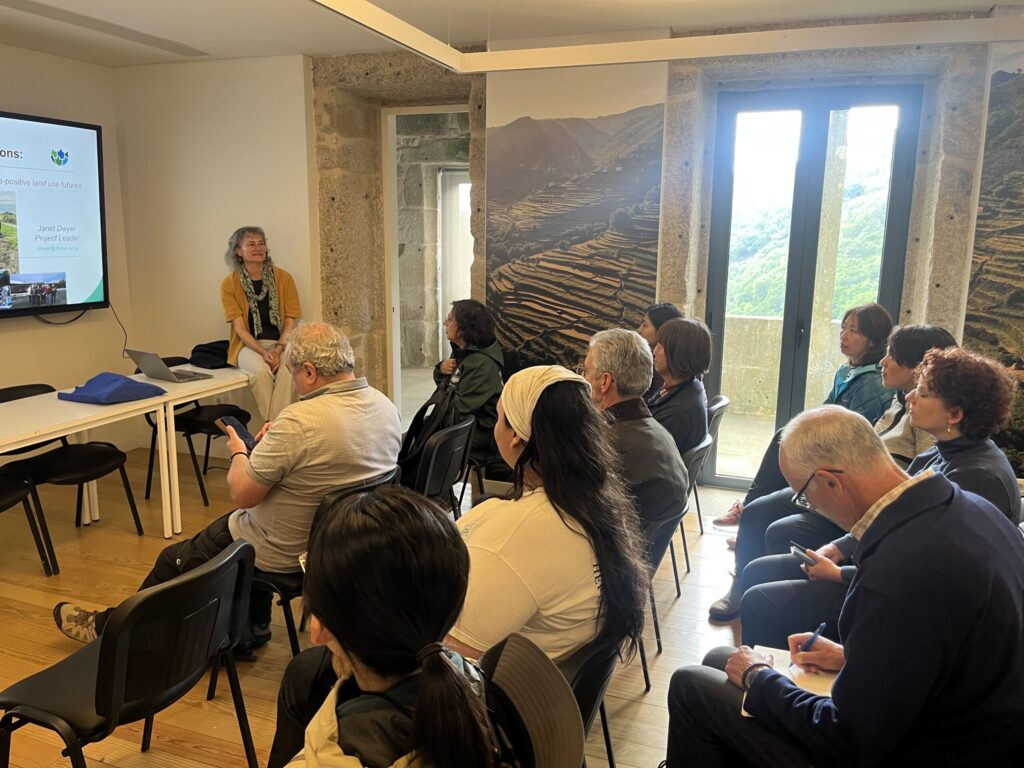
The official programme began at lunchtime on the first day. During the first two days, participants met at CIBIO, where project members Angela and Ana Pina are based, to discuss the progress of the project’s work packages and Living Labs, with a particular focus on the Satoyama Integrated Landscape Assessment (SILA) led by WP1.
Participants also discussed the next stages of the project’s activities, including Living Lab mobilisation and methodologies for experimentation.
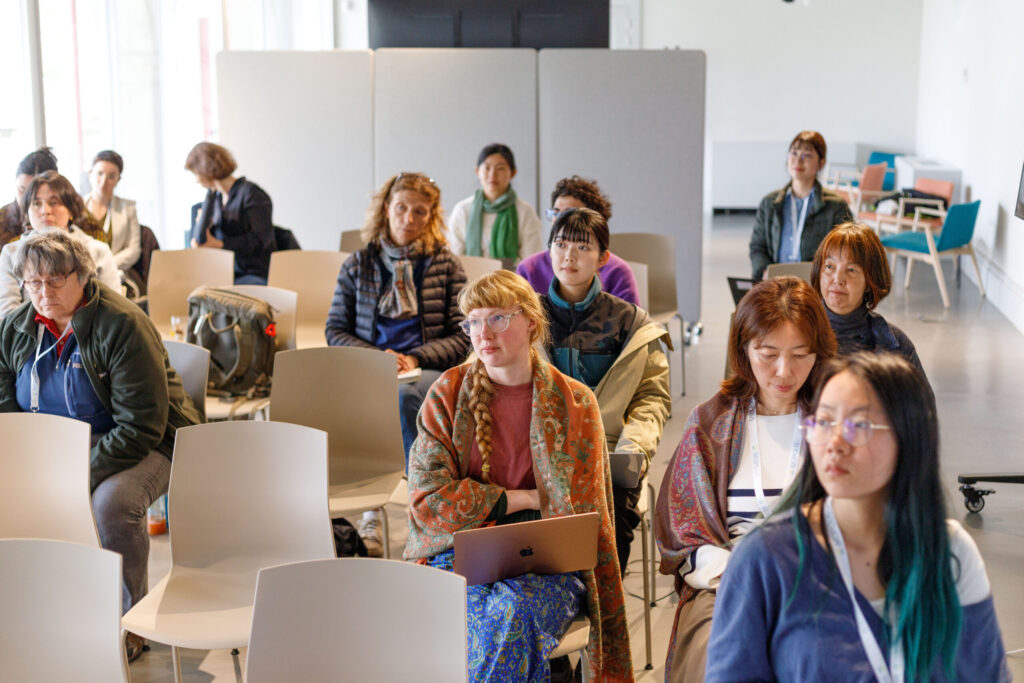
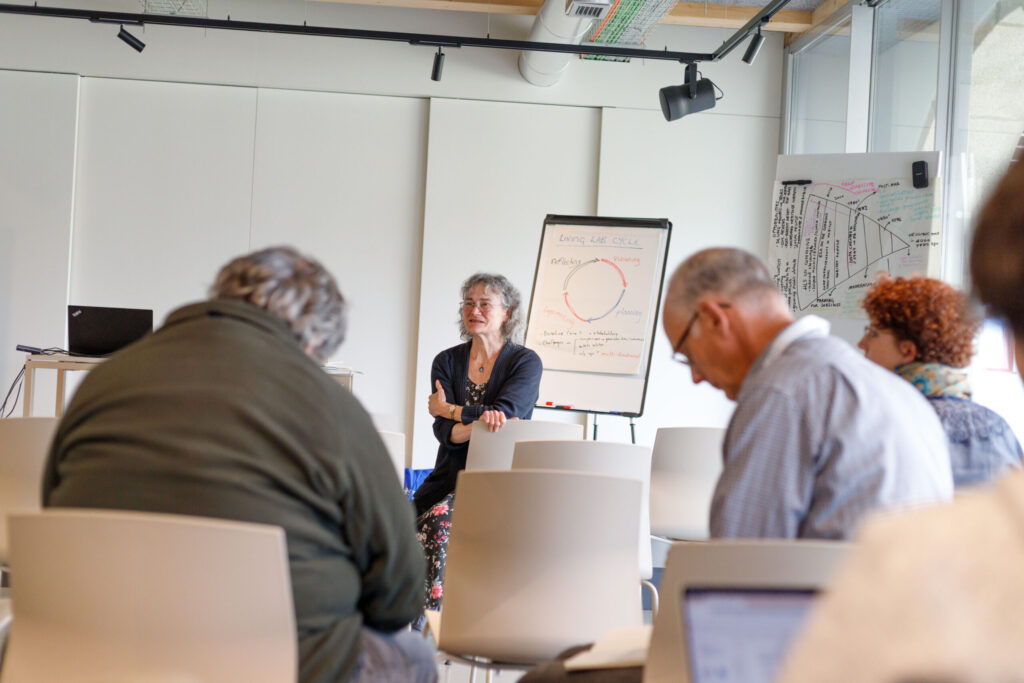
Project members discussing Living Lab management.
Field Trip to Sistelo: Exploring Terraced Landscapes and Local Land Use
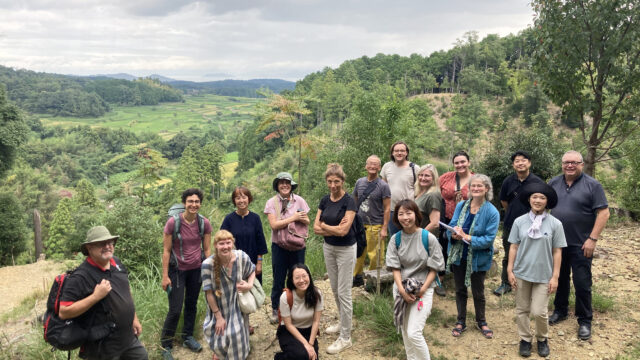
On the third day, participants joined a field trip to the village of Sistelo, located near Peneda-Gerês National Park, one of the project’s case study areas. The visit provided an opportunity to explore the local landscape and learn about its history and current land use, as well as to introduce the SATOCONN project and its activities to representatives of local organisations.
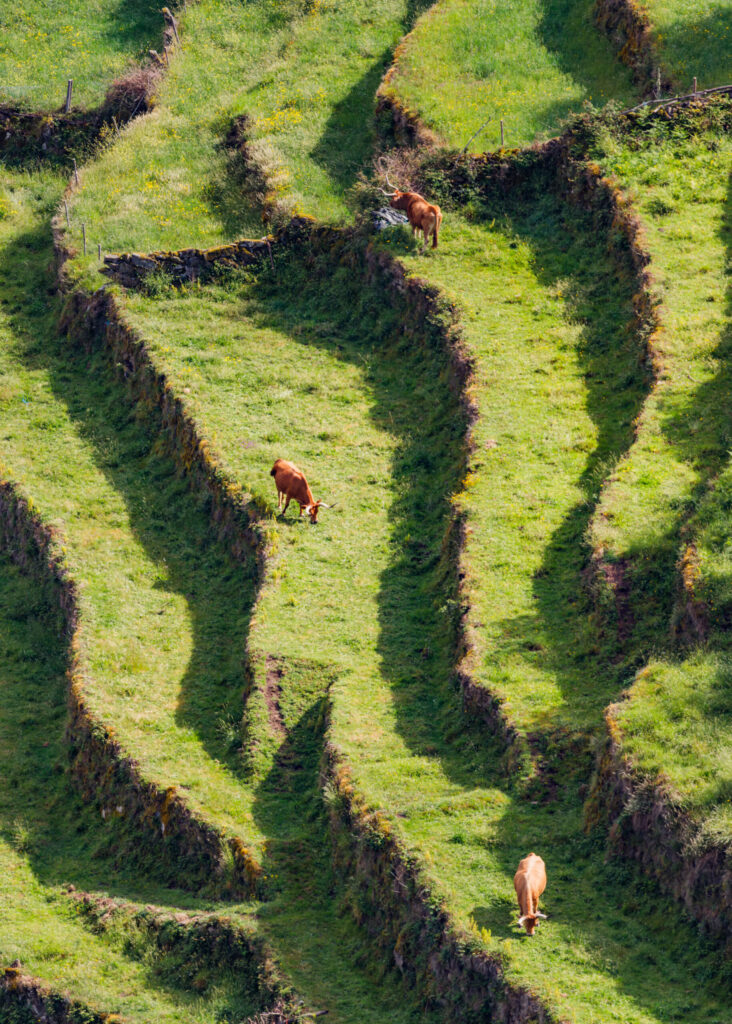
The visit began in the village centre before moving to a viewpoint overlooking the terraced landscape. Participants learned how land use has changed over time. The terraces were once used to grow crops such as rye, later becoming maize fields after maize was introduced to the region. Today, many are used as pasture.
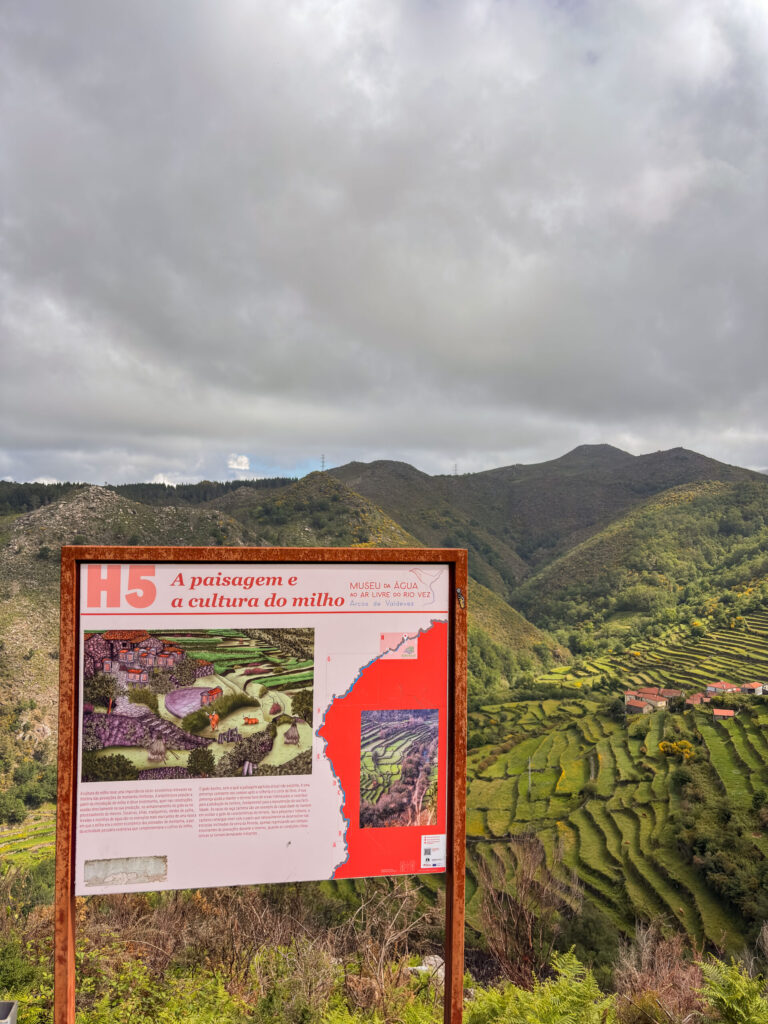
An information board explaining the history of the terraced fields.
The group also visited an area affected by the increasingly serious wildfires of recent years. With support from local collaborators, participants continued by car and on foot to higher ground, where livestock graze during the summer.
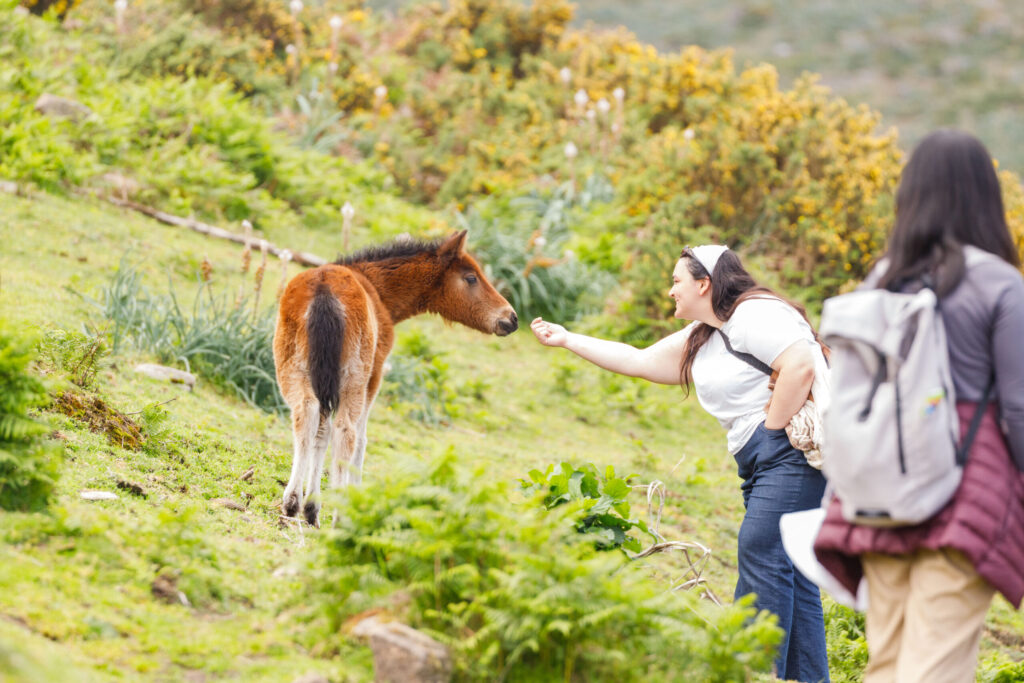
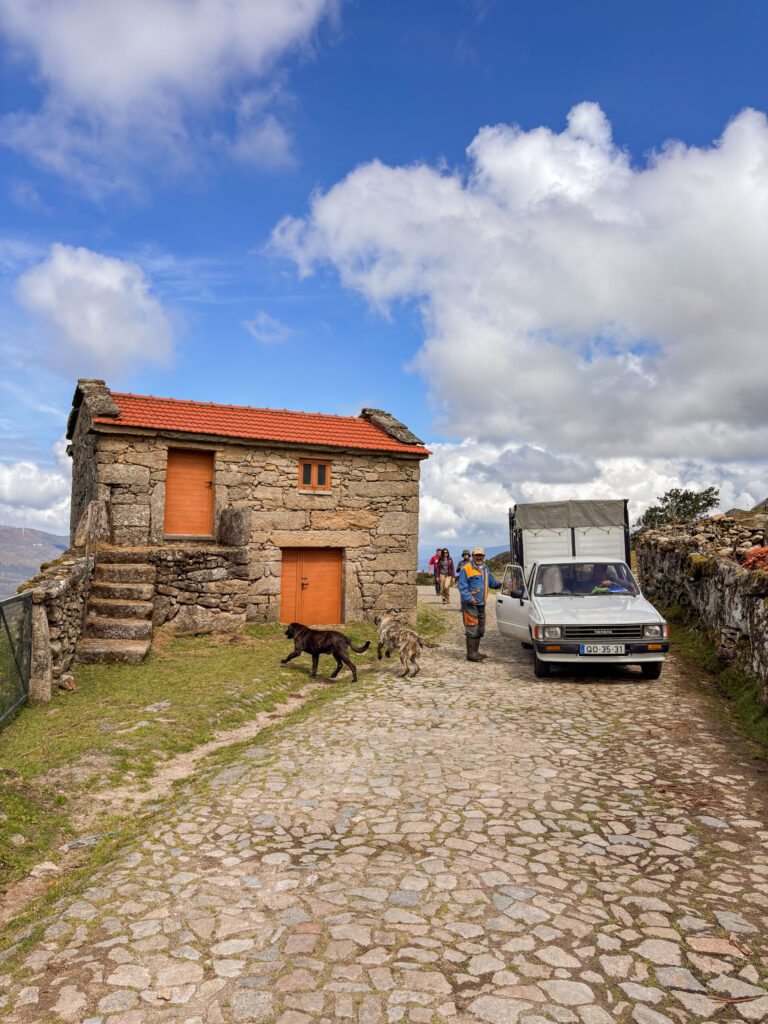 Along the way, we saw numerous Cachena cattle, a local breed, as well as wild horses that are tagged and monitored. Stone shelters protecting livestock from wolves and dry-stone boundary walls were distinctive features of the landscape.
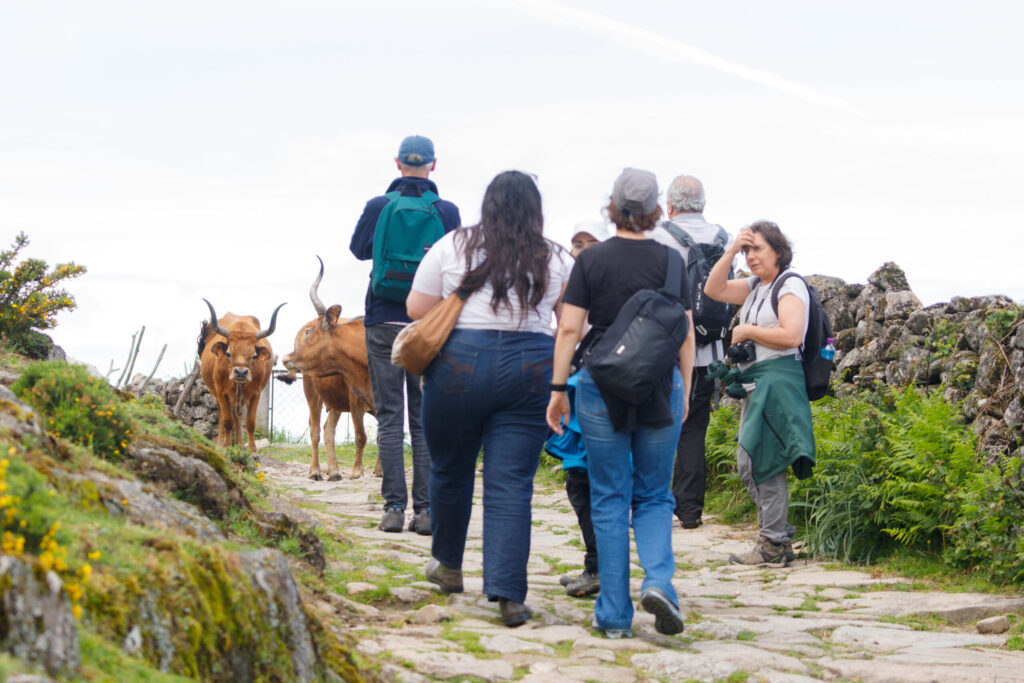
After returning to Sistelo, the group had lunch with representatives of local organisations, including the chance to taste Cachena beef.
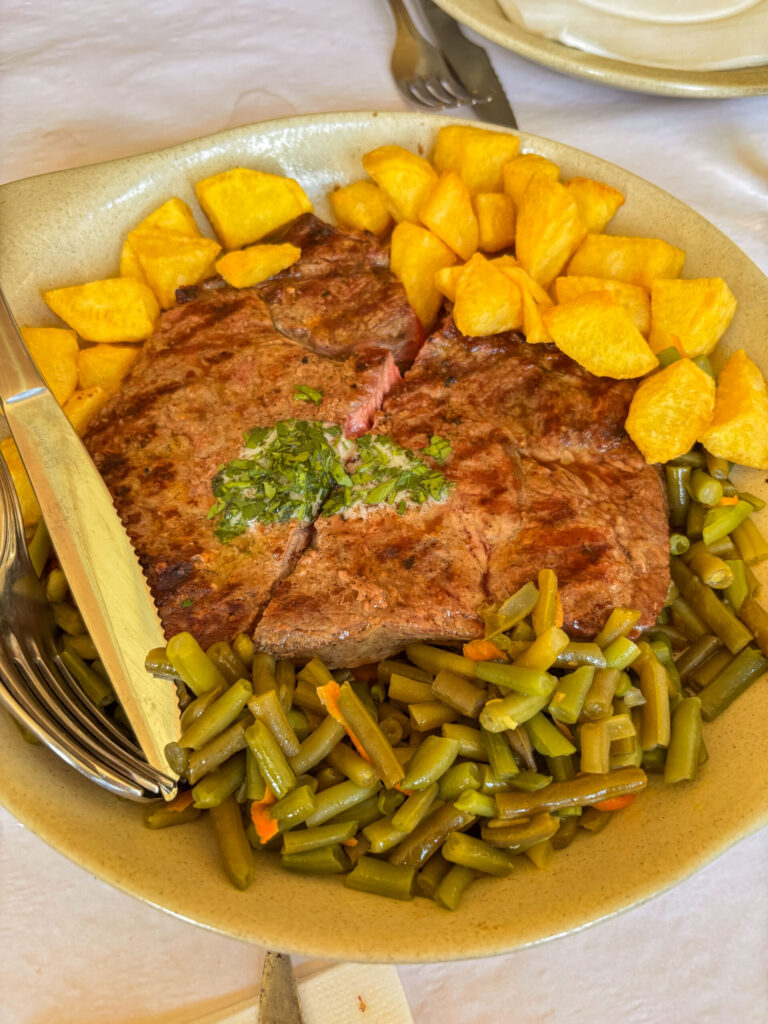
Perhaps because the cattle roam across the hilly terrain, the meat was lean and had a rich, distinctive flavour.
SATOCONN Project Leader Janet then introduced the project, and the day concluded with a walk along the river.
The Japanese participants were especially struck by how closely Sistelo’s terraces resemble Japanese rice terraces. From a distance, they look remarkably similar, except for the Cachena cattle wandering among them!
Final Discussions and Reflections
The fourth day was set aside for participants to hold individual meetings or undertake additional field visits. On the fifth and final day, a public seminar was held at CIBIO, bringing the five-day programme to a close.
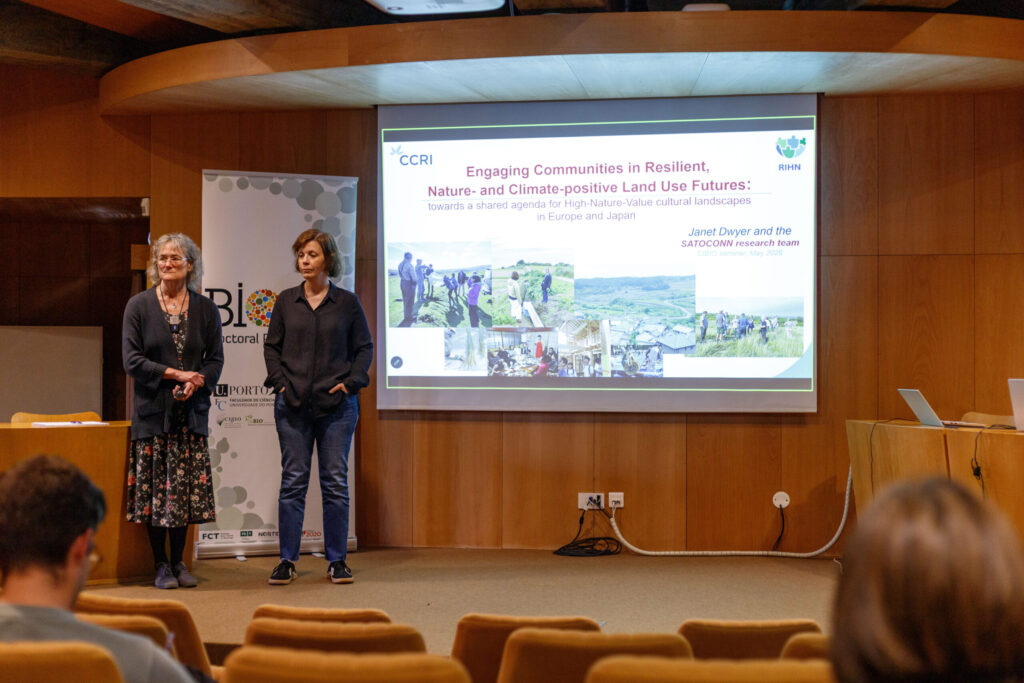
Angela, who hosted this year’s meeting, and Janet, the Project Leader.
As most communication within SATOCONN normally takes place online, the Annual Meeting provided a valuable opportunity for project members to engage in face-to-face discussions and strengthen their connections.
It was a productive and rewarding week, offering participants new insights, ideas, and perspectives to take forward in their work.
Photos: Primarily by Fabio Wolf Pierre König