SATOCONNゲストセミナー:Saving Biodiversity in a world on fire: towards convivial conservation
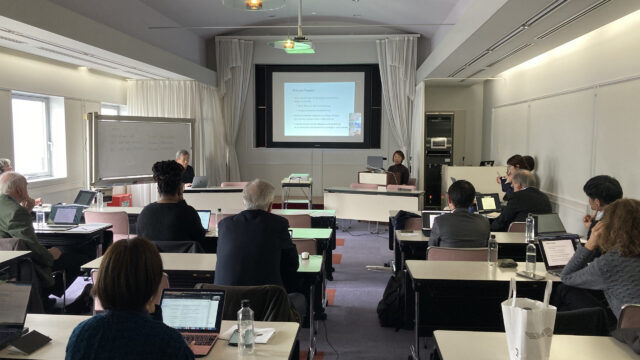
2025年9月22日から26日にかけて、SATOCONNプロジェクトの全体会議が京都にて開催され、ヨーロッパおよび日本を含む各国から約20名のプロジェクトメンバーが一堂に会しました。
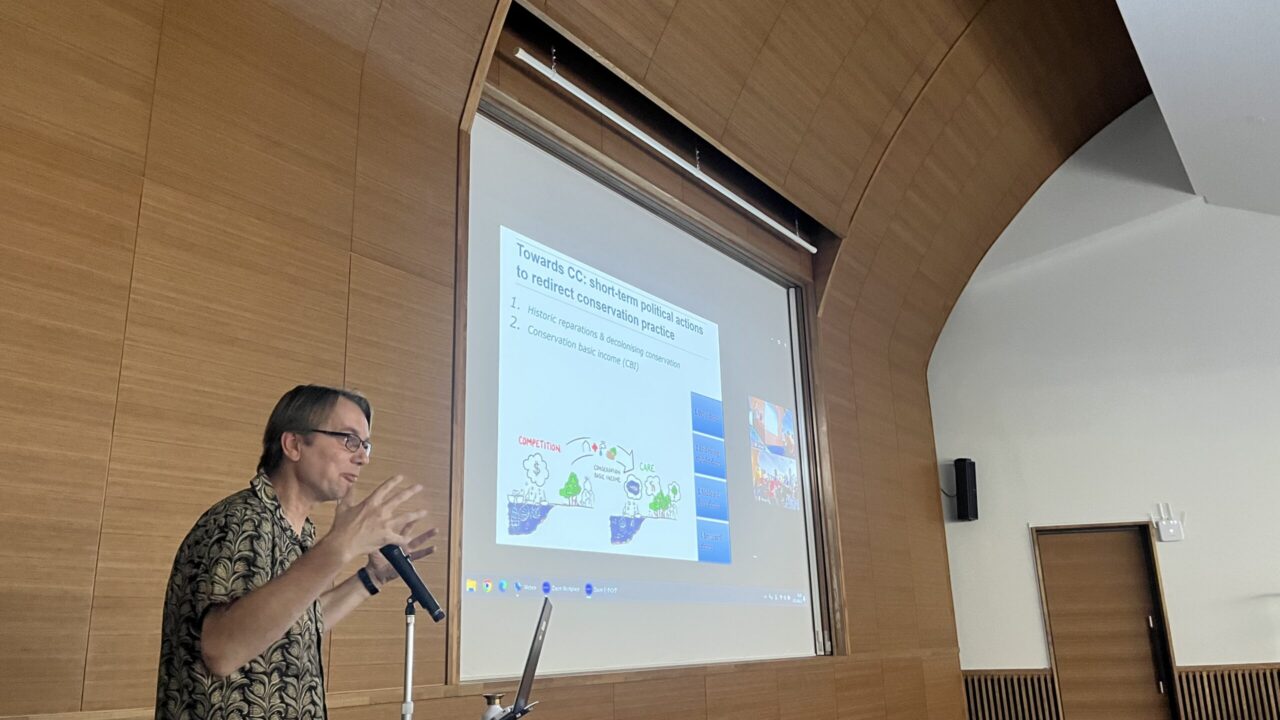
全体会議初日は、ゲストセミナー「Saving Biodiversity in a World on Fire: Towards Convivial Conservation」により幕を開けました。本セミナーでは、オランダのWageningen University & Researchより、Bram Büscher教授(Sociology of Development and Change 部門 教授・部門長)を招聘し、地球研にて講演を行いました。
セミナーはハイブリッド形式で実施され、地球研内外から多数の参加者が集い、「convivial conservation(共生的保全)」という新たな保全のビジョンについて理解を深めました。講演後半には活発な質疑応答・意見交換が行われ、参加者の関心の高さがうかがえました。
また、プロジェクト内の議論においては、SATOCONNが目指すアプローチと「convivial conservation」との理論的・実践的な親和性についても話題に上り、今後の協働可能性に向けた重要な論点が共有されました。
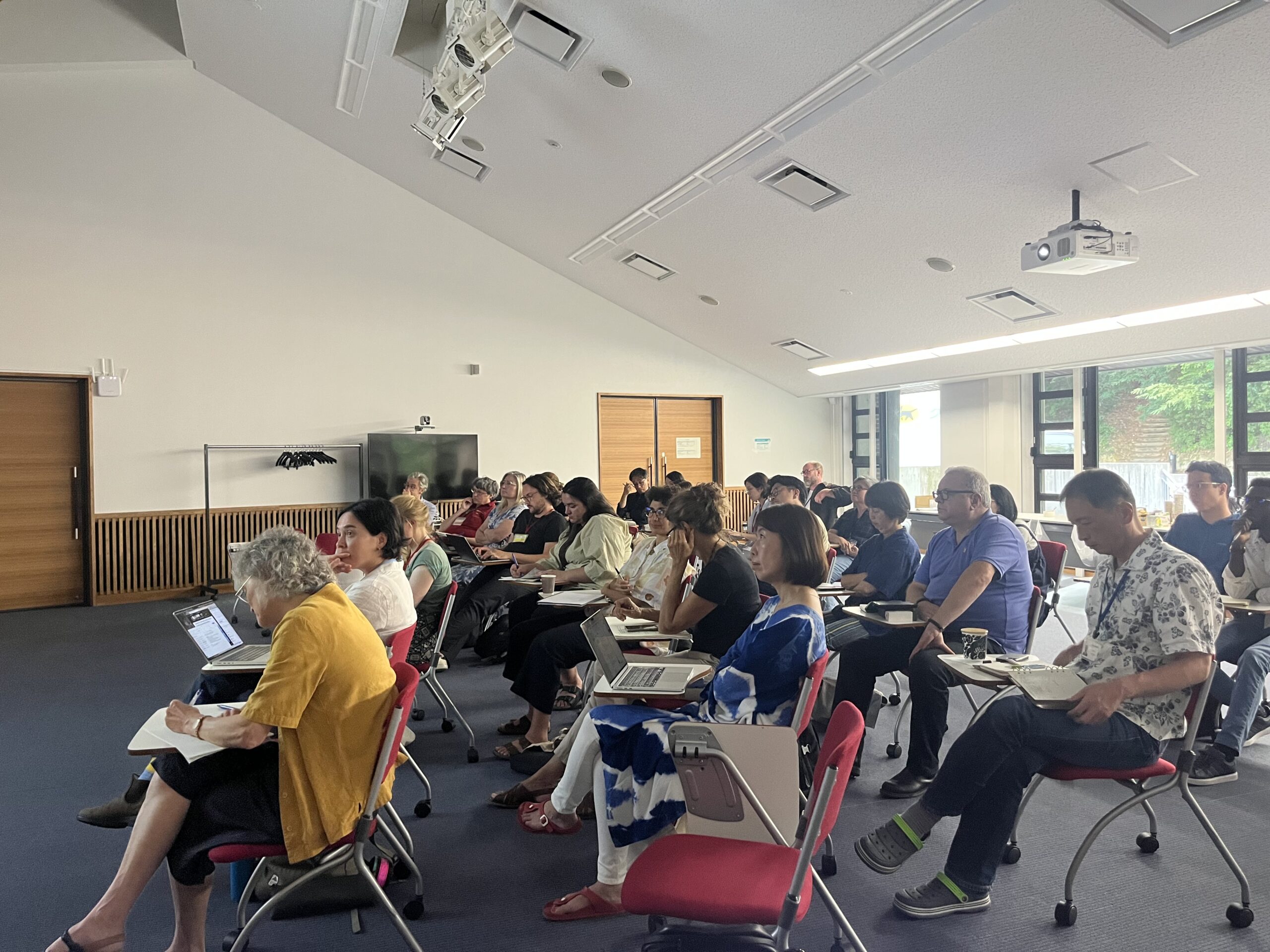
Büscher教授による講演に耳を傾ける参加者たち
【講演要旨】
When it comes the major environmental crises of our time, we seem to have moved into a new phase: we are no longer warned that they are coming; they are already here and are having major impacts on human and nonhuman life. As the warnings and discourses become stronger and more explicit, we see actors scrambling to come to terms with this new reality and asking how to move forward. With respect to the global biodiversity crisis, this is well reflected in the conservation community. Indeed, over the last years we have seen the rise of several radical proposals for reforming conservation and the heated debates around them. In this presentation, I will reflect on and evaluate these radical conservation proposals in relation to ‘mainstream’ conservation and argue that while they hold important seeds for radical change they are not sufficient. Building on these reflections, I develop and propose an alternative vision that we call ‘convivial conservation’. Convivial conservation starts from a political ecological position centred on a critique of contemporary capitalism and dichotomous ideas about (saving) nature. It builds on this to turn conservation into a force that promotes rather than protects, that celebrates rather than saves, and that is recognized as an important element of creating a more equal global society. The presentation posits ideas on how convivial conservation could be operationalized and asks questions on how this may be done in different contexts, including in Japan.
現代の主要な環境危機については、もはや「いずれ訪れる」と警告されている段階ではなく、すでに現実のものとなり、人間および非人間の生命に大きな影響を及ぼしています。警告や議論がますます強調される中、各方面のアクターがこの新たな現実をどう受け止め、どのように前進すべきかを模索しています。世界的な生物多様性危機に関しても、保全の分野においてその動きがよく表れています。ここ数年、保全のあり方を抜本的に改革しようとするいくつかの急進的な提案が台頭し、それをめぐる激しい議論が繰り広げられてきました。